What if the fate of humanity rested on a lottery?
Logline
With seven days before an unstoppable environmental disaster, world leaders launch a global lottery to decide who escapes to Mars—but when the most unlikely members of society and the black sheep of a multigenerational Ghanaian family are selected, they must navigate family fractures, buried truths, and the deeper forces shaping who lives and who's left behind.
Synopsis
Earth is dying. Environmental collapse has reached the point of no return. Salvation comes in the form of The Draw, a mysterious algorithmic lottery that selects a tiny fraction of the global population to be relocated to rumored sanctuaries on Mars. It's humanity's last hope—or its final betrayal. There are only seven days left before the world as we know it ends. And the whole world knows it.
As the first round of "winners" are announced, shock and chaos ripple across the globe. Lottery riots erupt in wealthy enclaves. Underground salvation scams boom. Religious factions splinter over whether The Draw is divine, demonic, or rigged. Meanwhile, in Accra, a middle-class Ghanaian family—the Amahs—receive no selection at all.
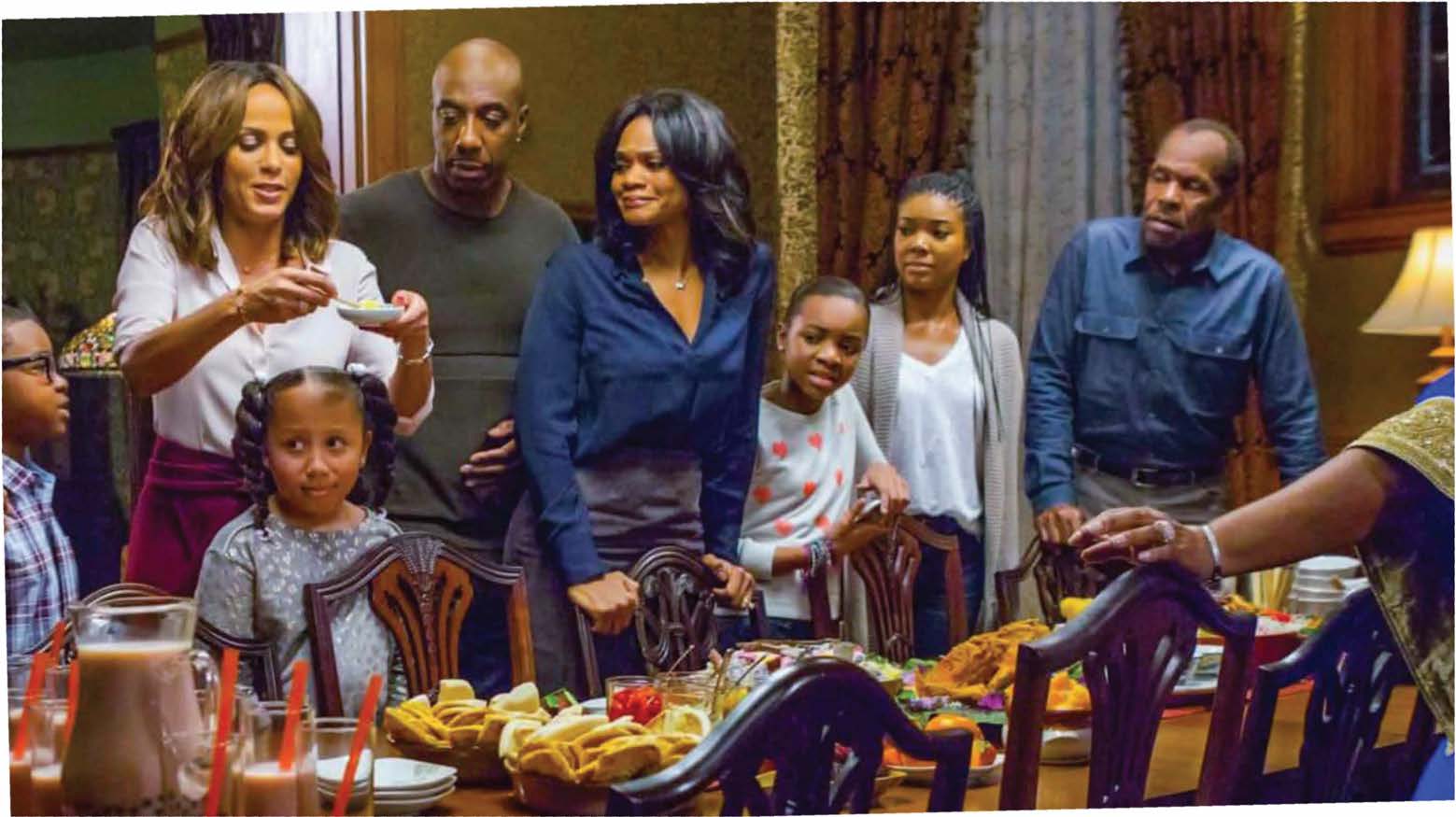
Akua, the matriarch and a data scientist who once worked on the project that birthed the algorithm, believed she had outsmarted fate. She thought she'd secured a slot for her family. Her husband, Eman, a failed revolutionary turned civil servant, tries to make sense of the betrayal. Their eldest daughter, Sarah, a rising executive in the global aid industrial complex, starts calling in favors. Joanna, their neurodivergent teenage daughter, silently starts working on a pattern, hoping to uncover the true logic behind The Draw. Grandma Bea is confident they'll be chosen eventually—her prayers are strong, her faith unshakeable. Rebecca, the middle daughter, turns to sage, chants, and spiritual rituals, trying to raise the vibration of the household to "ping" the universe.
The family compound becomes a pressure cooker of secrets, blame, and fractured hope. A war room. A shrine. A confessional. Then chaos knocks on the door. Missy, Akua's estranged sister—a sharp-tongued, unstable artist dismissed as the family's black sheep—crashes at the compound after her artist squat is raided. She brings nothing but sarcasm and an uncomfortable truth: "Maybe you were never meant to be saved."
On Day Three, a second round of names drops—and Missy's is on the list. The family erupts. Akua demands answers. Sarah accuses Missy of cheating the system. Rebecca begins unraveling. Eman retreats into political rhetoric. Joanna watches—recording, mapping, decoding, feeling the air shift. Missy, meanwhile, doesn't want it.
She didn't expect to be chosen. The family tries to manipulate her into giving her slot to one of them, because they "deserve" it more. Akua, heartbroken, tries to break into the system to "fix the error." Sarah begins courting journalists, trying to spin her own narrative. Rebecca becomes further obsessed with signs and synchronicities, shadowing Missy in hopes of absorbing her "spiritual essence" and aligning herself for the next draw. Eman sinks into conspiracy theories and nostalgia, pulls out his old manifestos as if they might save him.
But Missy, to their frustration, refuses to play the part of the "chosen." And yet, we see why she was picked—she's the only one not lying to herself. And in the quiet moments, when no one is looking—she has integrity. It's shown in the chaos of the streets, in her interactions in the neighborhood, amidst protests and grace around the world.
Outside, the world grows increasingly surreal. Billboards glitch with lottery slogans. Rogue citizen groups begin kidnapping "winners" to demand answers. Religious and atheist influencers livestream apocalypse countdown vigils. Still, the algorithm says nothing—only issuing names, cold and irrefutable. Rebecca, volunteering at a lottery grief circle, meets Maya, a dying woman who's been selected. Rebecca begins fantasizing: What if I took her place? Is it really wrong if the universe led me here?
Joanna quietly hacks into fragments of the algorithm using Akua's old research files. What she uncovers is disturbing: The Draw isn't about merit, power, or perceived morality. It's picking people with certain characteristics, not credentials.
Outside, the world is unraveling. Suicide pacts, protests, and pop-up cults flood the headlines. Planes are grounded. Attempts by elites to flee are blocked—by angry citizens and the algorithm itself. A rumor of a final, third list spreads: a "last draw" selecting based on last-minute social and environmental variables, sparking both hope and fear.
Back at the compound, the Amahs descend into collective obsession. Someone else must be chosen. Akua goes manic, trying to rebuild the code. She sells out her former team. Eman calls in old favors and bribes. Grandma Bea hosts overnight prayer-thons. Sarah throws a "lottery gala" to raise awareness (and maybe raise her odds). Rebecca attempts identity theft. Missy disappears for a night—and they panic. Did she give up? Did one of them do something? Murder? They are all suspicious of one another. The house becomes a pressure chamber. Secrets leak. Accusations fly. Joanna, still recording, watches it all unfold.
She pieces together the logic: the "last draw" is triggered not by class, power, or intellect—but by unseen value, emotional congruence, pattern recognition. It's looking for people who don't replicate the corruption of the old world. The final hours arrive. Global infrastructure buckles. Cities begin blackouts. The algorithm announces the last chosen will be selected—live—based on immediate, observable human actions.
The Amahs gather, feral and fragmented, watching the livestream—a chaotic desperate ritual as the world outside howls. In a final, emotional confrontation, Joanna, the one no one really listened to, steps forward. She plays back everything—the breakdowns, confessions, betrayals. She offers it all back, not to shame them, but to show the truth of their humanity. Without performance. Without polish. She delivers what no one else has: the unvarnished truth. And then... Joanna's name appears. Joanna and Missy. The two least expected. The least respected. The least "worthy" by old-world standards. Not because they clawed for it, but because they held the family's emotional mirror. And tap into a soul "rememberance".
Missy emerges from hiding. We see where she went—what she witnessed. We see her adventure over to the side of humanity worth saving. The hope. As the shuttle arrives amidst drones and mobs, Missy's armor finally cracks. She breaks down crying. Is it relief? Exhaustion? Grief? All of it. Joanna grips her sketchpad. The algorithm boots out those who tried to cheat, steal, manipulate their way aboard. The rest are left behind. To reckon. To remember. To wonder.
From the Creator
The seeming randomness of life... The Last Draw is deeply rooted in a series of profound personal losses and upheavals that has occurred over a very short amount of time in my life over the past couple of years—the death and grief of my mother, the complexity of healing an overactive nervous system from trauma, the dissolution of unhealthy chosen family bonds, a long term romantic relationship ending, an unstable economy, and the loss of my home and neighborhood to the devastating fires.
These experiences stripped away my Maslow hierarchy of needs, one layer at a time, back to back, until I was left asking: What shows up when everything familiar is gone? When no one is looking, who are the people that show up... or don't? What is the version of "you" that shows up for yourself or is revealed when everything is seemingly stripped away, and the roles we take on/masking that we sometimes do in life to survive becomes futile?
In the silence of loss—when the noise of life fades away—I found myself confronting my own vulnerability and resilience. The ache of absence and instability became a mirror reflecting who I am beneath the roles I play, and what remains when the world strips away certainty. Living in that liminal grey space. The discomfort, heightened anxiety, and suppressed panic. The feeling of uncontrollable laughter to keep from crying. In the wake of losing what I once called home, I was compelled to reconsider what "home" truly means—is it a physical place, the people who surround us, or something deeper, residing within ourselves? This question echoes throughout the story: how do we find grounding and belonging when the foundations beneath us crumble?
I wanted to tell an Afrofuturistic satirical grounded sci-fi story that isn't set centuries from now, because Afrofuturism is already here. It may not look like Wakanda, but it's happening now through our innovation, resilience, and leadership in technology and culture... and it's time to showcase that vibrancy and complexity. The Last Draw invites us to rethink survival, belonging, and hope—not as distant fantasies, but as urgent realities shaping our present and near future.
Exploring
This question of identity amidst apparent randomness is at the heart of the story. Life often feels like a lottery—arbitrary, unfair, and chaotic. Yet, we hold onto the idea of free will, of agency, even when circumstances seem to suggest otherwise. How do we reconcile that tension? How do we preserve our integrity and humanity in a world that is rapidly shifting toward technocracy and commodification, where conspicuous consumption is worshiped and blatant corruption rewarded?
As we stand at the crossroads of a global shift toward technocratic control and rampant commodification of the human experience, The Last Draw questions what it means to claim agency and authenticity. Decentralized frameworks emerge in the narrative not just as technological alternatives, but as vital models for preserving community and ethical integrity in an increasingly fractured world—the global lottery in the film is a reflection of this when it throws everything into chaos when it course corrects itself from being rigged—selecting the most unlikely people at first glance, who in reality possess internal qualities that would benefit a new reimagined society that doesn't rely on external shallow markers of worth.
The Last Draw is a story about the underdog—the people whose true gifts remain unseen, even to themselves, in a society that often values wealth and power over character. It explores the delicate balance between collectivist values and individual survival during times of extreme crisis. Central to this vision is the role of women as cultural bearers and architects of the future. As a woman of Ghanaian descent, I am intimately aware of the strength, resilience, and wisdom women hold in our culture during moments of rupture and renewal. In Ghanaian culture, women carry the stories of the past—our histories, our traumas, our triumphs—and through remembrance, they reconcile what has been with what can be. This act of remembering is a radical, life-affirming resistance, and it is through this that futures are imagined and remade. The women in The Last Draw embody this sacred responsibility, navigating grief and loss while cultivating hope and possibility in human and at times messy ways.
Setting
In the near future, the world is in chaos, and everyone is living their final days on Earth as best they can. Earth is about to be on the brink of destruction due to a predicted catastrophic environmental disaster. With time running out, the world's governments have pooled their resources to build a massive colony on Mars, capable of accommodating a fraction of Earth's population. The only way to get there is by winning a "randomized" lottery, and the world waits with bated breath to see who will be chosen and survive The Last Draw.
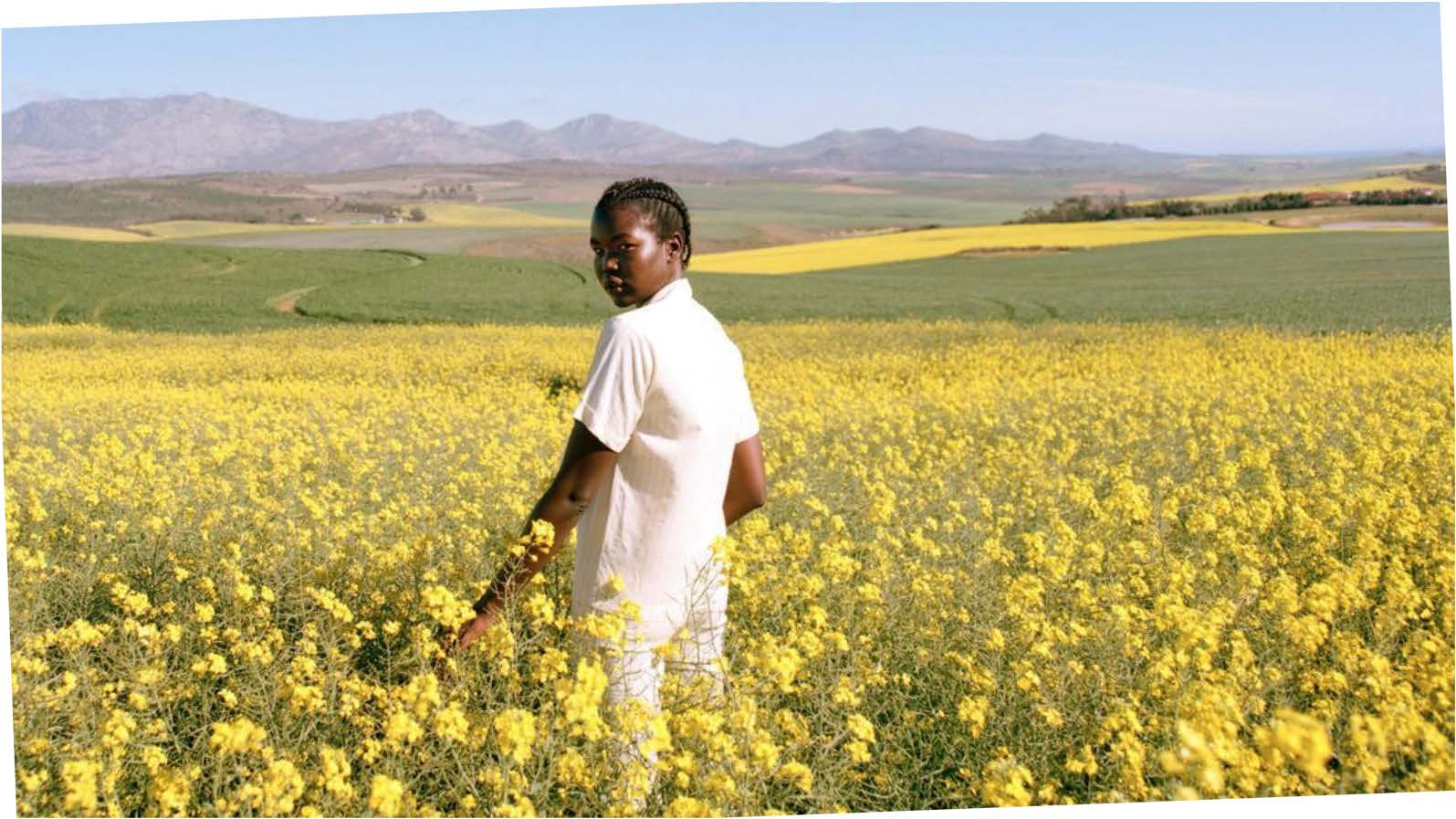
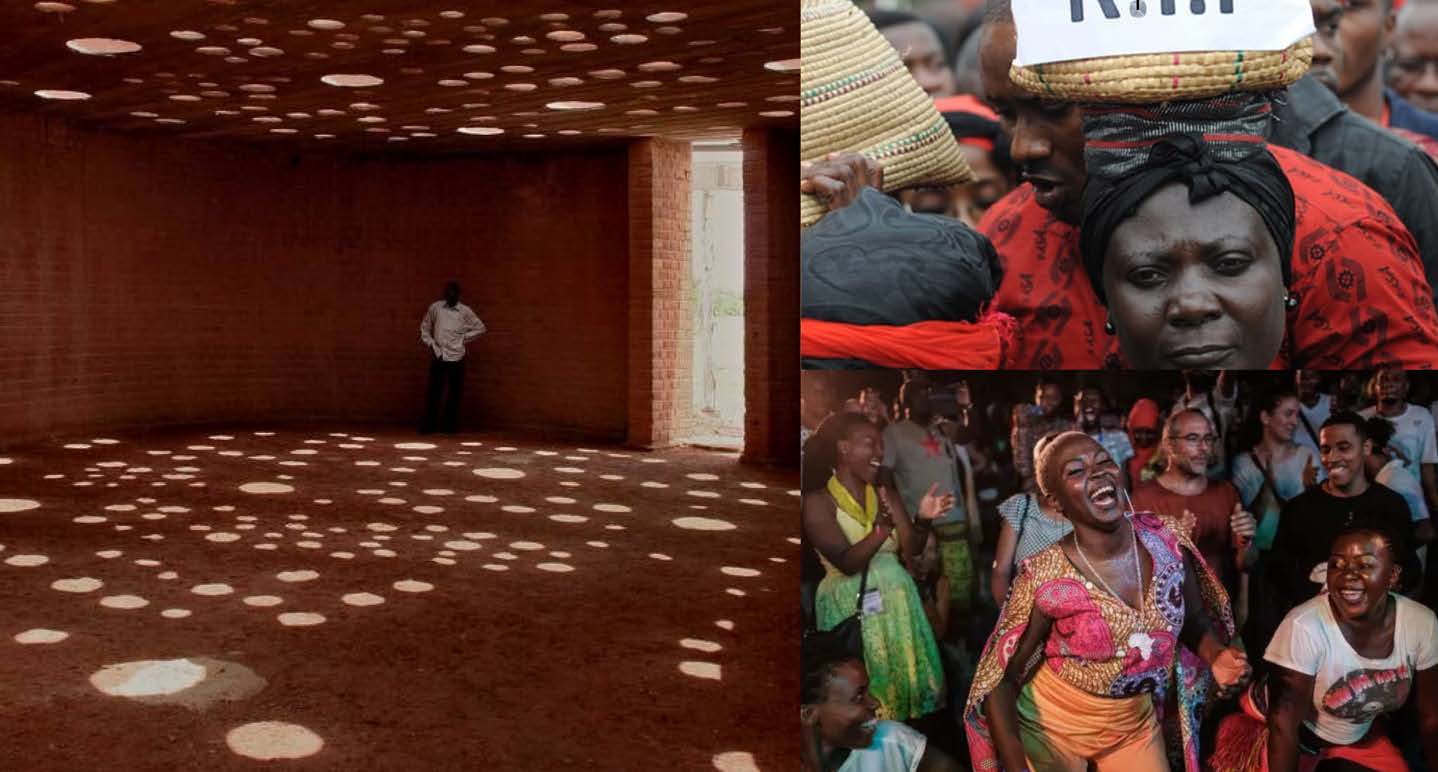
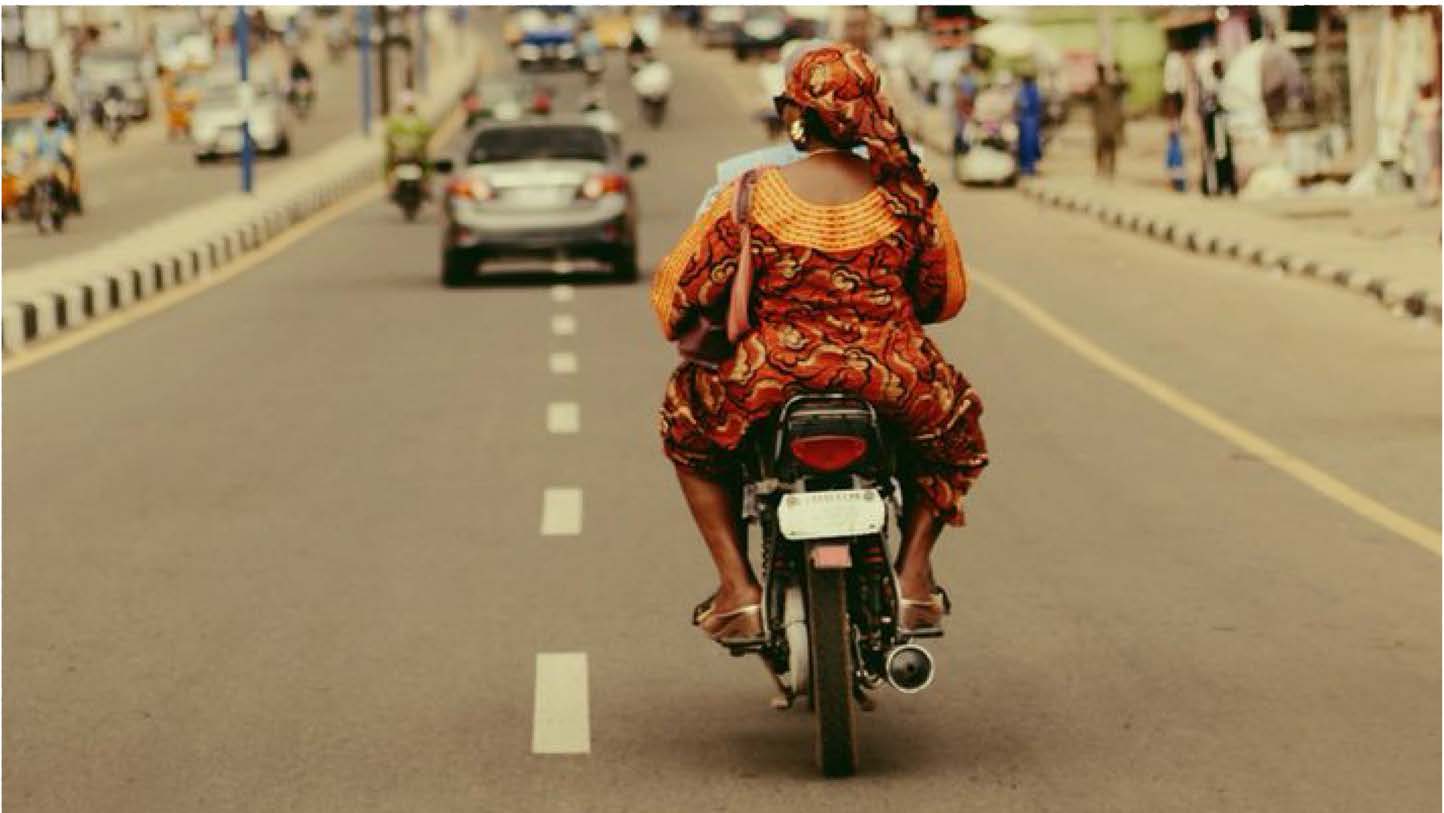
The setting in Accra, Ghana, operates as its own character. The Last Draw is a love letter to Ghana in all its complexity. We will emphasize a deep, rich, cinematic, saturated palette. The red of the soil in Ghana, the green of the land and vegetation, the gold of the sun, and the nuance of dark skin will all be a subtle nod to the Ghanaian flag, which stands in contrast to films set in the dystopian world genre.
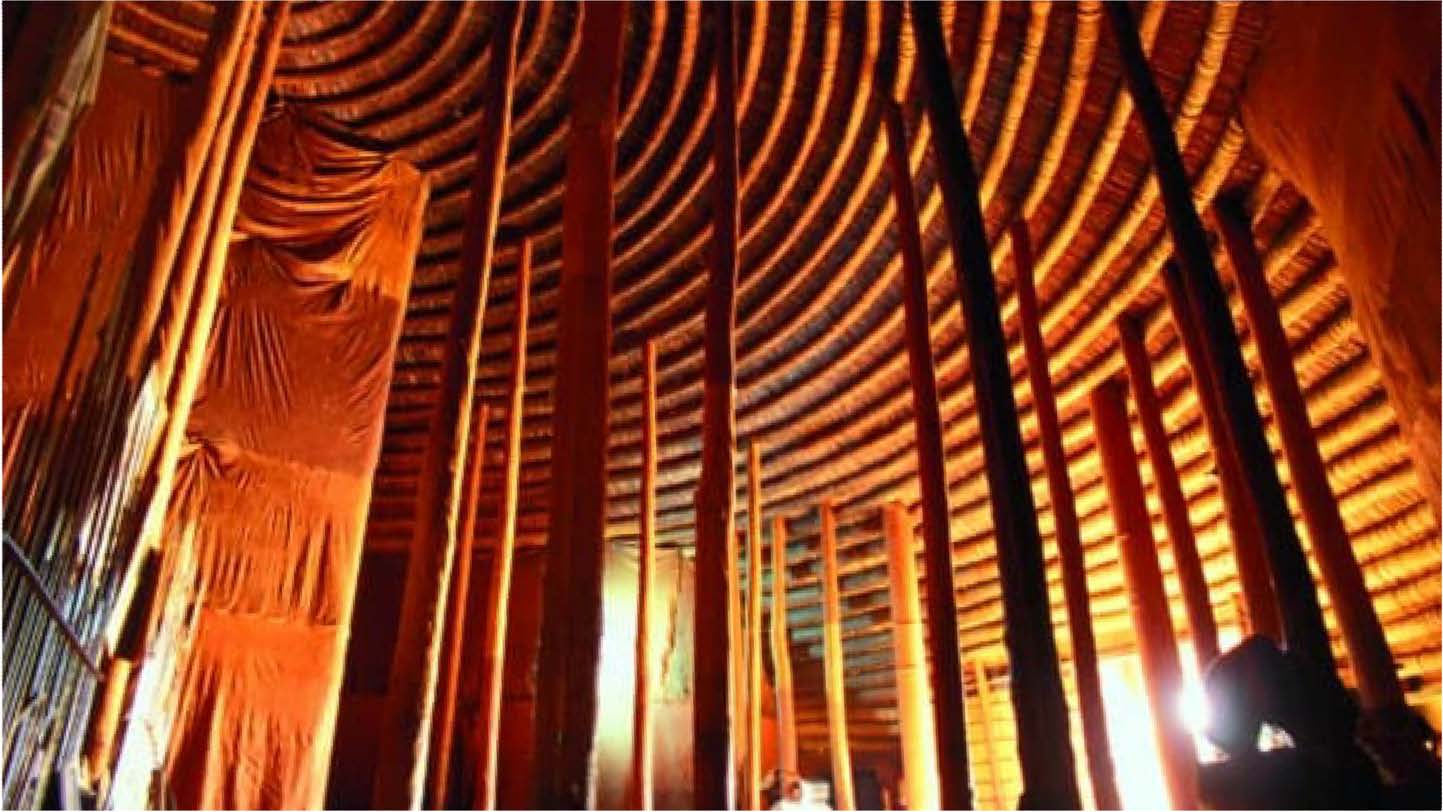
Style
The Last Draw is a genre-blending grounded sci-fi with the biting social satire and absurdity of Parasite and The Menu, the spiritual unease of The Leftovers, and the gritty immediacy of Children of Men. It moves between grounded family intimacy and expansive global stakes, anchored by dark humor and emotional poignancy.
While the film centers on a speculative event—a mysterious global lottery—it is not driven by spectacle, but by the quiet tensions, betrayals, and reckonings it triggers within a fractured family.
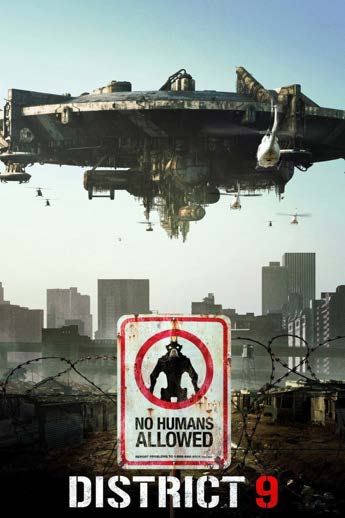
Social commentary through sci-fi allegory set in Africa
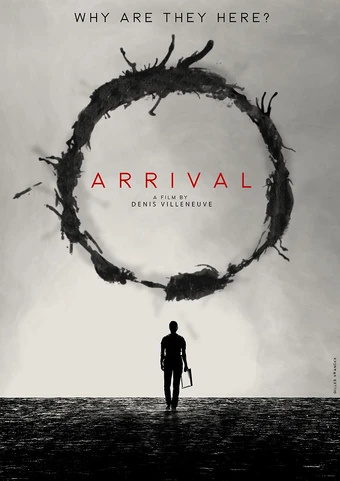
Cerebral sci-fi driven by emotional truth and communication
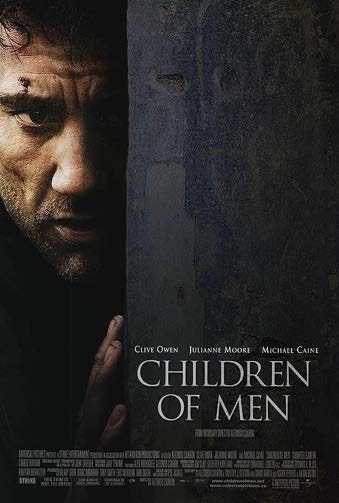
Gritty immediacy in a collapsing world, hope against despair
Meet

50s · The Matriarch
A scientist, mother, intelligent, obsessive, clings to routines. Denial as a shield. Overburdened optimist. She secretly worked on the algorithm and believed she had secured their family's safety, only to be wrong. Shattered when her belief in reason and meritocracy fails.

Late 50s · The Patriarch
Former revolutionary or intellectual who sold out for stability. Father, believes in meritocracy... barely. Charismatic and insecure about relevance. Tries to "logic" his way through the crisis. Represents broken systems—education, patriarchy, ideology—all cracking under pressure.

70s · The Elder
Sharp-witted, her body is aging, but her spirit is still fiery. Deeply religious, hilarious without trying, emotionally sharp under her exterior. A self-declared "prayer warrior" who hosts late-night intercessions via WhatsApp. Struggles with the conflict between divine fate and algorithmic control.

Late 30s · The Eldest
Eldest daughter, golden child, feels entitled to be chosen due to sacrifice and perfectionism, overachiever, emotionally detached, the one who "escaped", but is spiritually lost. Plans to "buy" survival. Represents the myth of success under late capitalism.

Mid 20s · The Middle Child
Still believes in love, justice, and signs from the universe. Wears her heart on her sleeve, believes the lottery is a test of the soul. Works in mutual aid, volunteers at anonymous lottery grief circles. Considers herself spiritual—but when she meets a terminally ill "chosen one," she secretly forms plans to convince the stranger to let her assume her identity.

15–17 · The Youngest
Youngest daughter, quiet, artistic, tech savvy, neurodivergent, and emotionally attuned. Not taken seriously, but sees everything. Speaks blunt truths that make everyone uncomfortable. She unfolds into quiet leadership. Cracks the "code" of the algorithm and its reasoning.

30s · The Black Sheep
Younger aunt, slightly unhinged unrecognized artist, bitingly funny, seen as "wasting potential." Deeply intuitive, emotionally messy, but honest. She spits in the face of the lottery. She never asked to be saved. But her unwavering integrity, her refusal to "perform" worthiness—that's exactly what makes her worthy.
Who were we... when it mattered most?
And if the old world is ending...
are we worthy of what comes next?
About
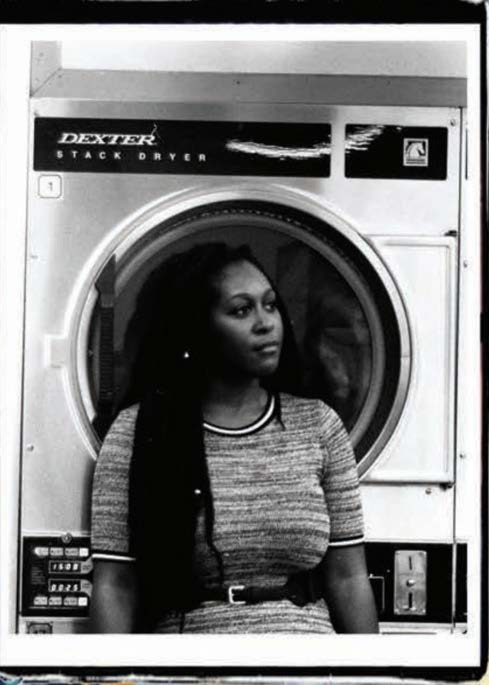
Storyteller · Filmmaker · Medicinal Healer
Michelle “ELLE” Sam is a storyteller, award-winning filmmaker, writer, multimedia artist, and medicinal healer of Ghanaian descent within the Fante, Akwapim, and Bwiti traditions. She holds a B.A. from Rice University in Visual and Dramatic Arts, Sociology, and Neuroscience—an interdisciplinary foundation that reflects the convergence driving her work. She carries a deep connection to land and lineage through her healing practice—a relationship that anchors her work across disciplines. A prolific storyteller with an extensive resume in film, television, immersive art installation, and community development, Sam brings indigenous knowledge systems, embodied narrative, and empirical neuroscience into every medium she touches.
Her film and television credits include writing for Jason Katims’ As We See It (Amazon), based on the Israeli series On The Spectrum about neurodiversity, and Hardly Working (Paramount+). Her short film Missed Connections (KweliTV, CFMDC) won the audience award at TranScreen Amsterdam Transgender Film Festival and was developed in collaboration with the GLAAD Transgender Media Equality Program. She wrote Black Boy Joy, which received a NAACP Image Award. She has feature and series projects in development with several major studios and production companies.
Sam was a speaker at TEDxAccra’s Chale Talks, and penned a limited series about refugees with Made Up Stories and Endeavor Content, Sankofa in the Outfest screenwriting lab. Beyond screen work, Sam cultivates immersive and interactive experiences and art installations that engage the nine senses, creating work across the Black diaspora and in continental Africa under her name, ELLE. She is co-founder of Out The Box Creative, a Ghanaian production company and artist collective based in Accra. Her practice bridges West African indigenous healing traditions, neuroaesthetics, and multimedia narrative—the convergence at the heart of The Last Draw/Home.
Collaborators
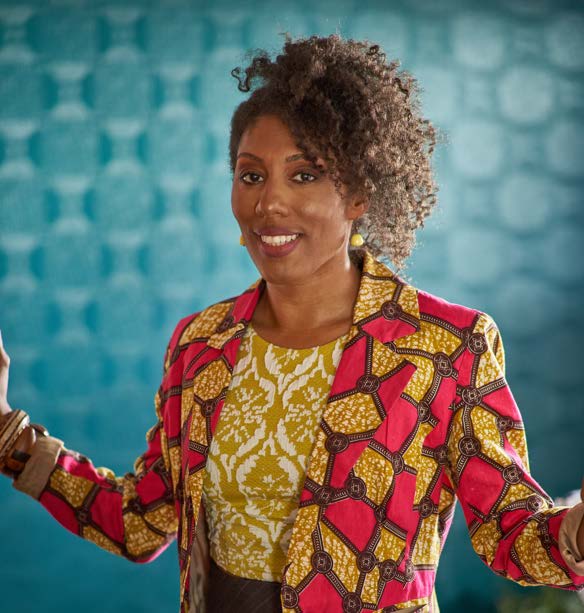
Producer
Principal of literary management firm MetaMorphic Entertainment, where she identifies under-the-radar fresh voices that reflect different worlds and perspectives. Her clients' projects include the Oscar-nominated Hotel Rwanda, Emmy-winning Star Trek: Picard, as well as series Found, All-American, Reasonable Doubt, Raising Kanan, Snowfall, 13 Reasons Why, How to Get Away With Murder, and The Flash. She previously worked at the BBC, ITV, Nickelodeon, and MTV, and shepherded groundbreaking series Angel, Smallville, and Grounded for Life at The WB.

Producer
A producer, visual artist, DJ, and philanthropist from the Southside of Chicago. Co-founder and Head of Content of Out The Box Creative Group. Growing up to immigrant parents, he honed his creative abilities early, utilizing his unique cultural worldviews as a backdrop informing his creative lens. His impact spans documentaries, award-winning short films, digital series, and music videos. He has helped launch platforms including Black Star Line Festival in Ghana and The XL Film Festival in Chicago, and has worked with artists such as Burna Boy, Vic Mensa, King Promise, and Sarkodie. He defines his work as thoughtfully disruptive, and realistically reflective of the black experience.